Yes, hyperthyroidism can affect the skin in several ways: Hyperpigmentation (melasma): Hormonal shifts, such as increased ACTH, may lead to darker patches of skin Excess sweating and rashes: Heat rashes often appear in skin folds due to higher sweat production Pretibial myxedema: A rare condition where the skin on the shins or tops of the feet becomes red, thickened, and swollen Associated autoimmune conditions: People with Graves disease may also develop vitiligo (loss of skin pigment) or alopecia areata (patchy hair loss) Functional medicine treatment considers both the thyroid imbalance and its skin manifestations, helping reduce symptoms and improve overall wellbeing
Beverelli F, Bea ML, Puybasset L, Giudicelli JF, Berdeaux A (1997) Chronic inhibition of NO synthase enhances the production of prostacyclin in coronary arteries through upregulation of the cyclooxygenase type 1 isoform
Single-cell RNA-seq reveals AML hierarchies relevant to disease progression and immunity
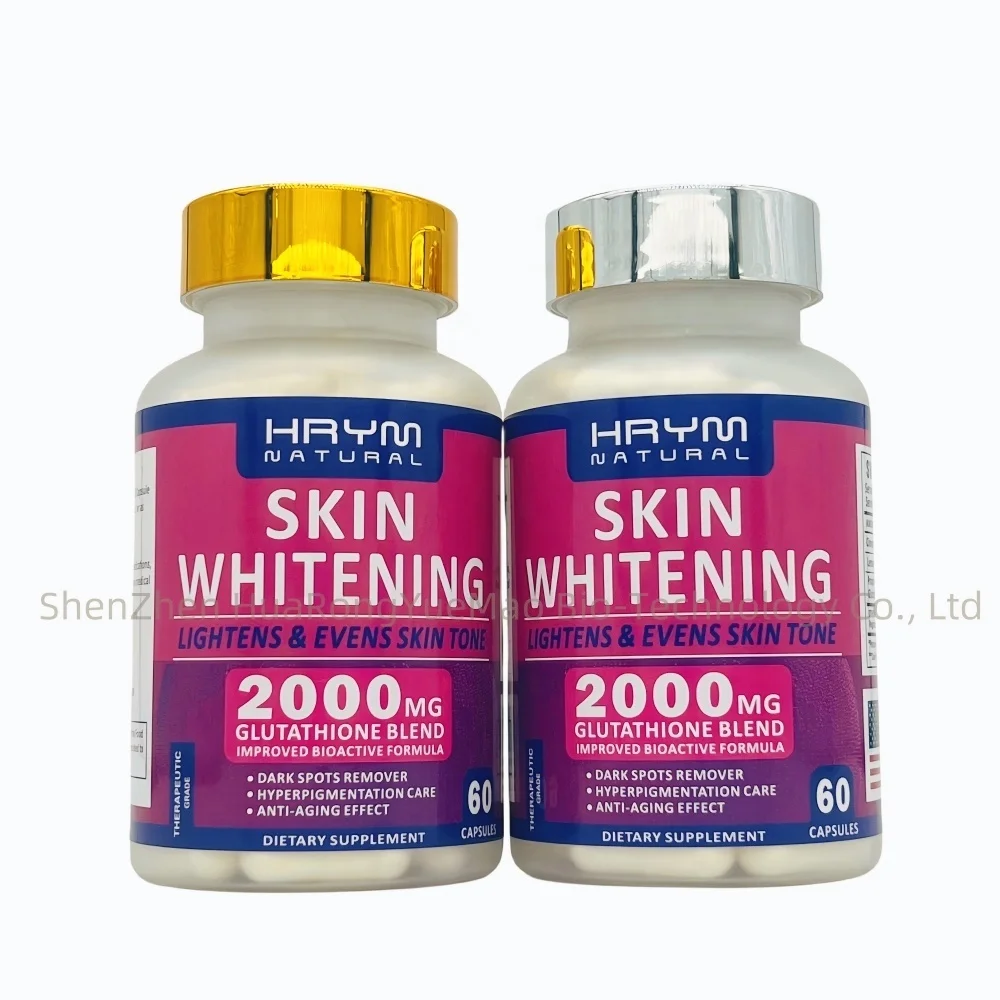
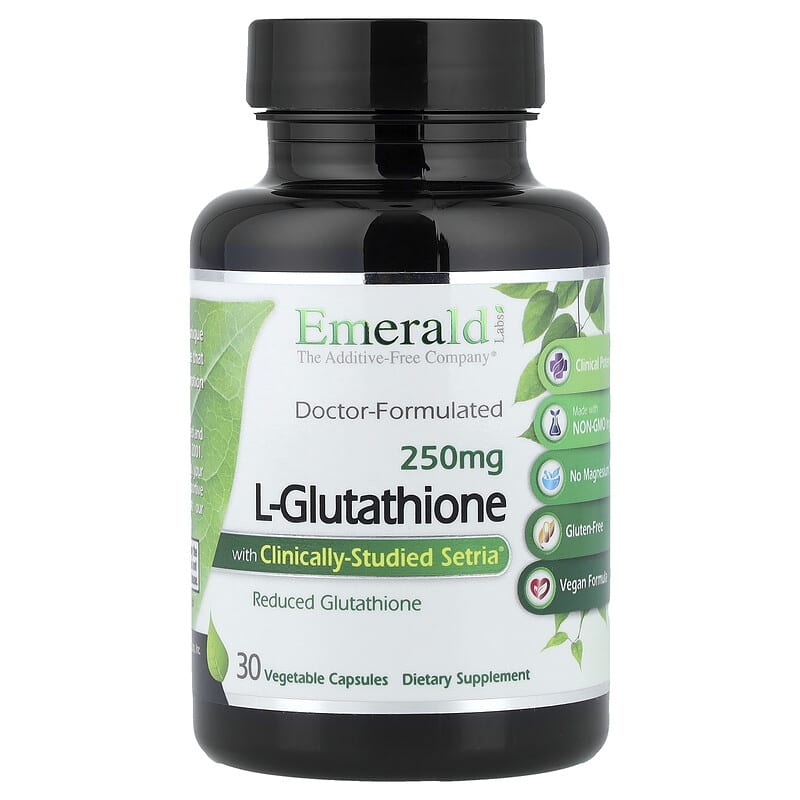
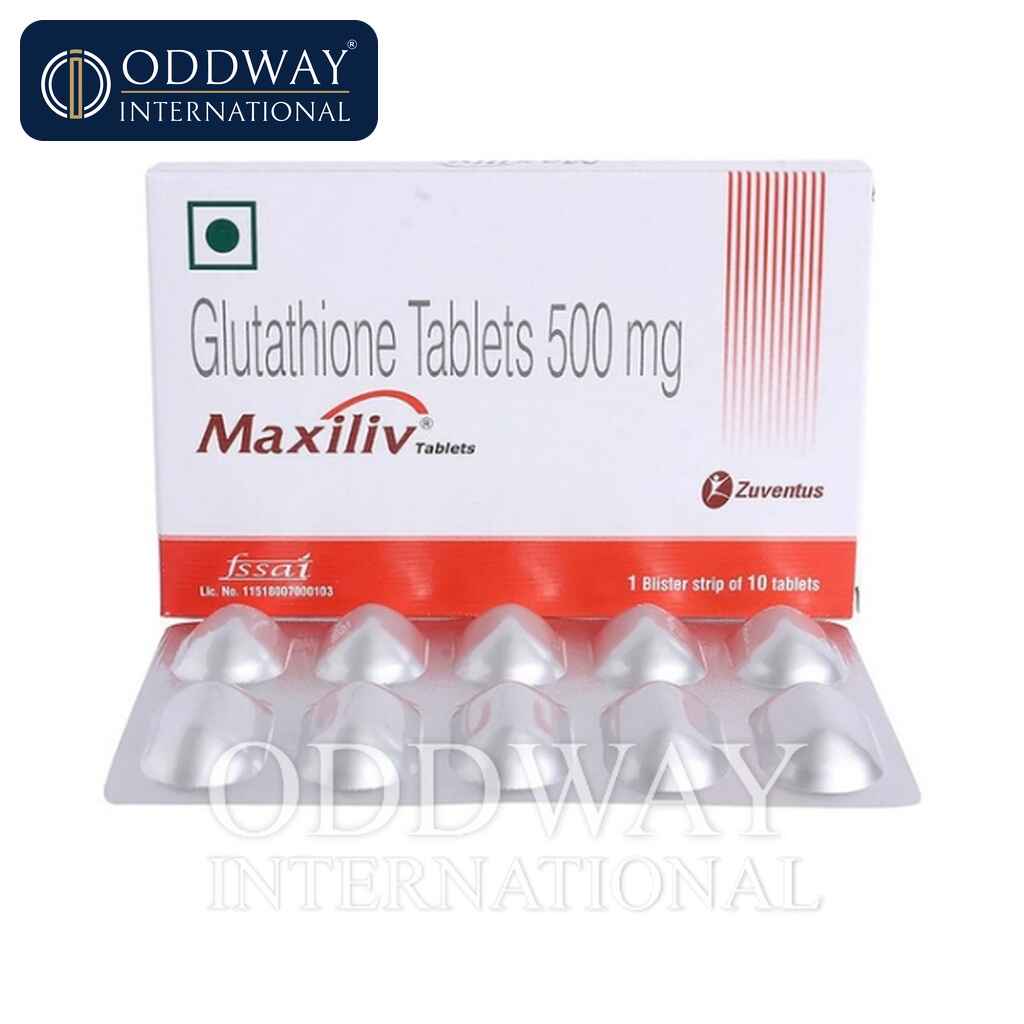
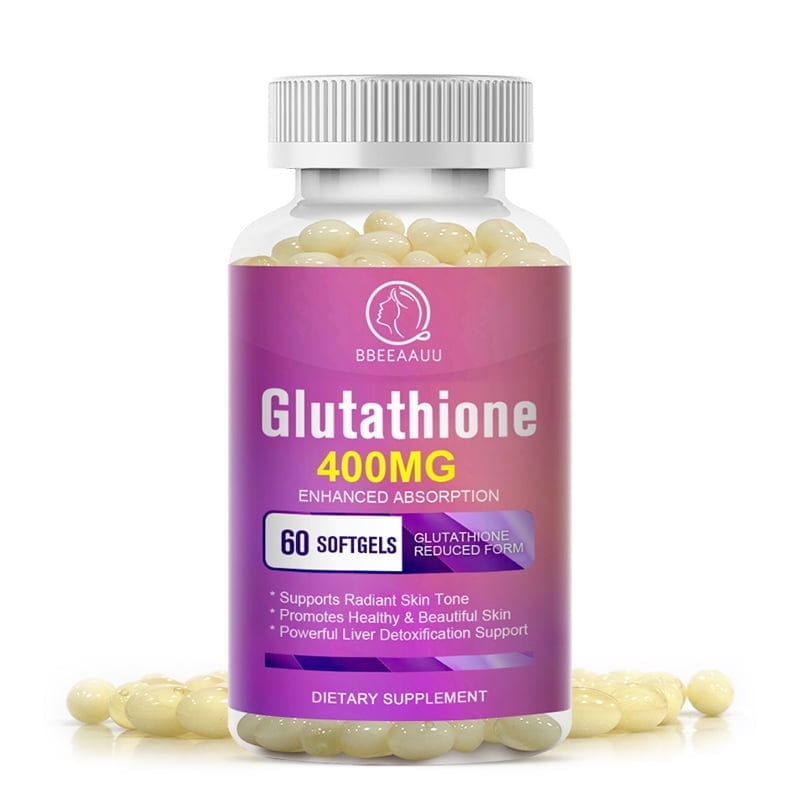
The strongest, best-documented effects are the antioxidant support and the gradual evening of skin tone
It is renowned for its ability to heal gut-related issues and promote tissue repair