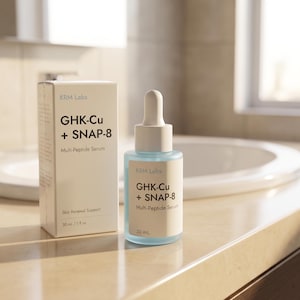
Bioavailability of GHK-Cu Bioavailability is how much of a compound actually reaches your bloodstream and becomes usable by the body
While the name Wolverine evokes resilience, rapid healing, and strengthlike the comic book character who regenerates rapidlyits important to understand what is known and what remains speculative
The default response to a stall is almost never take more it is to check the controllable variables first

Molecular Composition and Characteristics Component 1: BPC-157 (synthetic pentadecapeptide) Component 2: TB-500 (thymosin beta-4 analogue) Structure: Linear synthetic peptide chains supplied as a blended formulation Dose Format: High-concentration 20mg blended vial Stability: High under recommended laboratory storage conditions Stability, Handling, and Storage Profile Supplied as a lyophilised powder for optimal long-term stability Recommended storage temperature: 20C Sensitive to moisture, oxygen, and prolonged light exposure Predictable degradation at elevated temperatures Reconstituted solutions typically stable for 2448 hours under refrigeration Solubility and Reconstitution Options Bacteriostatic water Sterile saline solutions Acidic buffer systems Compatible organic analytical solvents Technical Specifications product Name BPC-157 + TB-500 Blend 20mg cas 137525-51-0, 77591-33-4 purity 99% (HPLC verified) unit Size 20 mg blended vial form Lyophilised peptide blend synthesis Solid-Phase Peptide Synthesis (SPPS) analytical HPLC, Mass Spectrometry, UV Spectrophotometry molecular Structure Linear synthetic peptide chains stability High when stored under recommended conditions Analytical Validation and Quality Control HPLC purity confirmation for each peptide component Mass Spectrometry molecular identity verification UV spectrophotometric concentration analysis Batch consistency and reproducibility testing Endotoxin and microbial screening for regulated laboratory use Regulatory Status and Intended Use BPC-157 + TB-500 Blend 20mg is supplied strictly for laboratory research and in-vitro scientific investigation
With the advancement in technologies and with deep research, exploration can loosen up the regulatory laws, and therefore, stimuli-responsive nanomaterial for bacterial infection can have a bright future