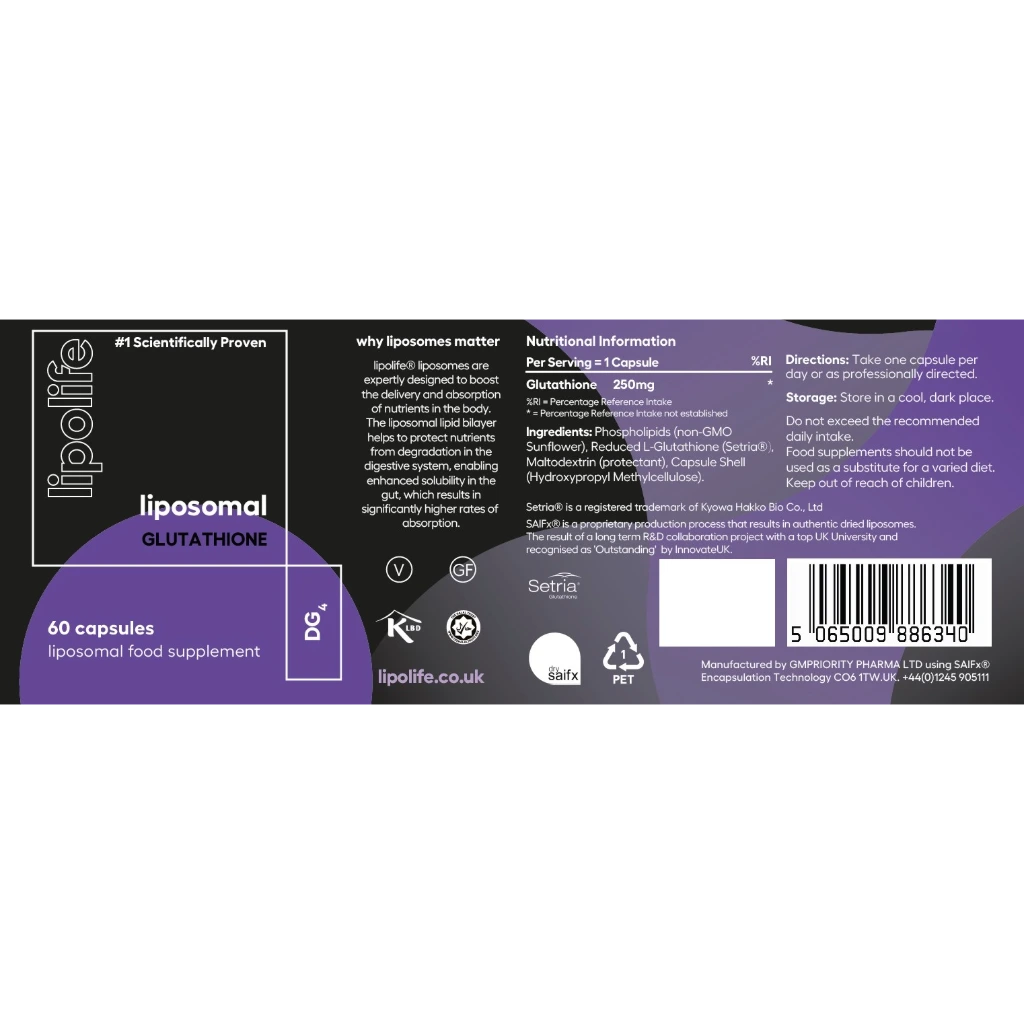
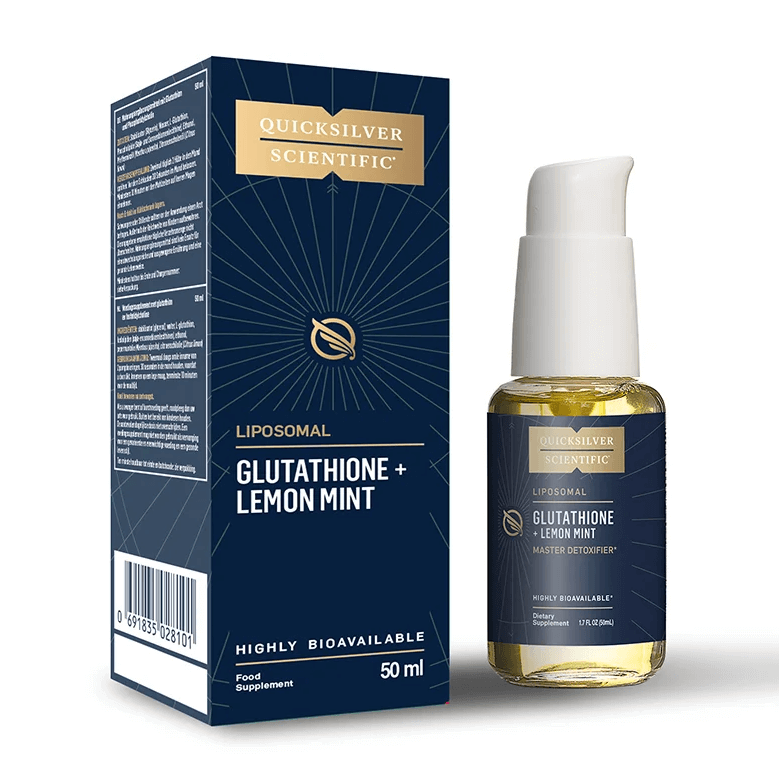
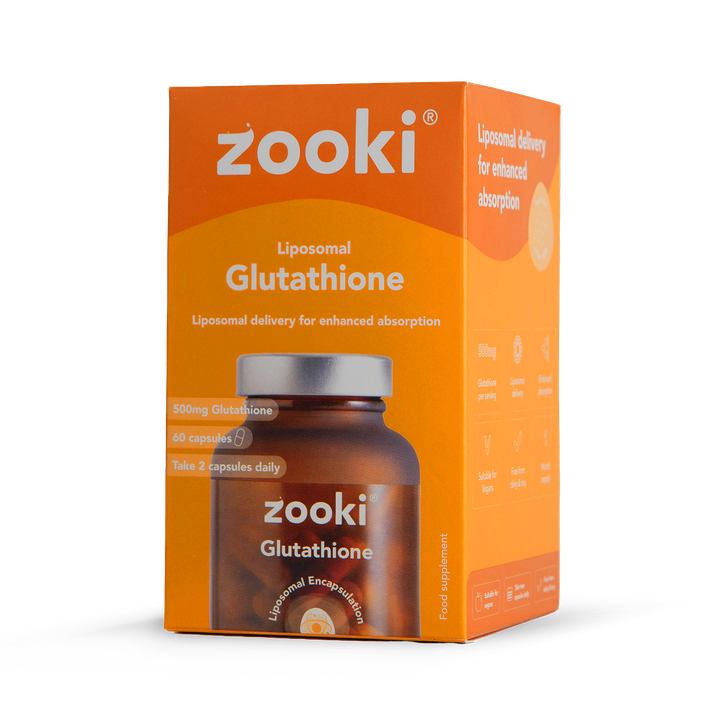
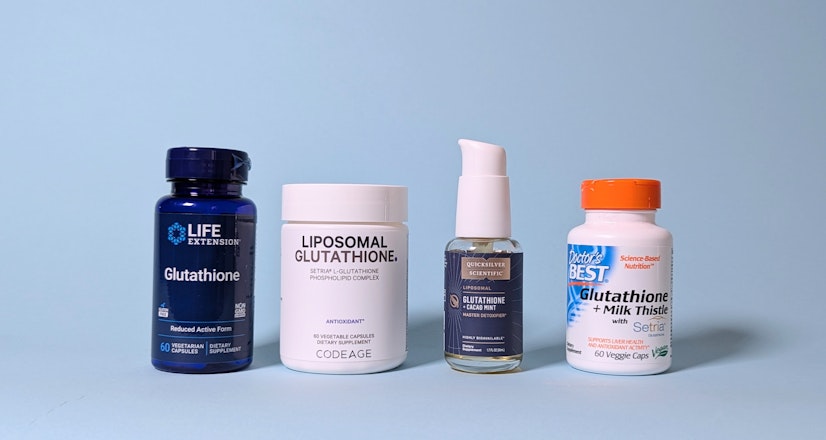
Liposomal glutathione uses a phospholipid encapsulation system designed to help protect the active ingredient during digestion and support nutrient delivery as part of a balanced diet and healthy lifestyle
Casper E., The Crosstalk Between Nrf2 and NFB Pathways in Coronary Artery Disease: Can It be Regulated by SIRT6?, Life Sciences 330 (2023): 122007
The conditions that have been associated with glutathione deficiency include the following: Neurodegenerative diseases such as Alzheimers, Parkinsons and Huntingtons disease and ALS Pulmonary diseases such as COPD, asthma, and acute respiratory distress syndrome Immune system disorders Cardiovascular diseases such as high blood pressure, elevated cholesterol, and heart attacks Chronic age-related disorders such as cataracts, macular degeneration, hearing impairment, and glaucoma Liver disease Cystic fibrosis Aging processes (Pizzorno, 2014)
Research demonstrating systemic wound healing from distant injection sites suggests GHK-Cu distributes throughout the body regardless of injection location
These statements have not been evaluated by the Food and Drug Administration