PMID 27647716 describes BPC-157's interaction with the coagulation cascade in animal injury models
Acta Bioenergetics 54 DhirA.KulkarniS
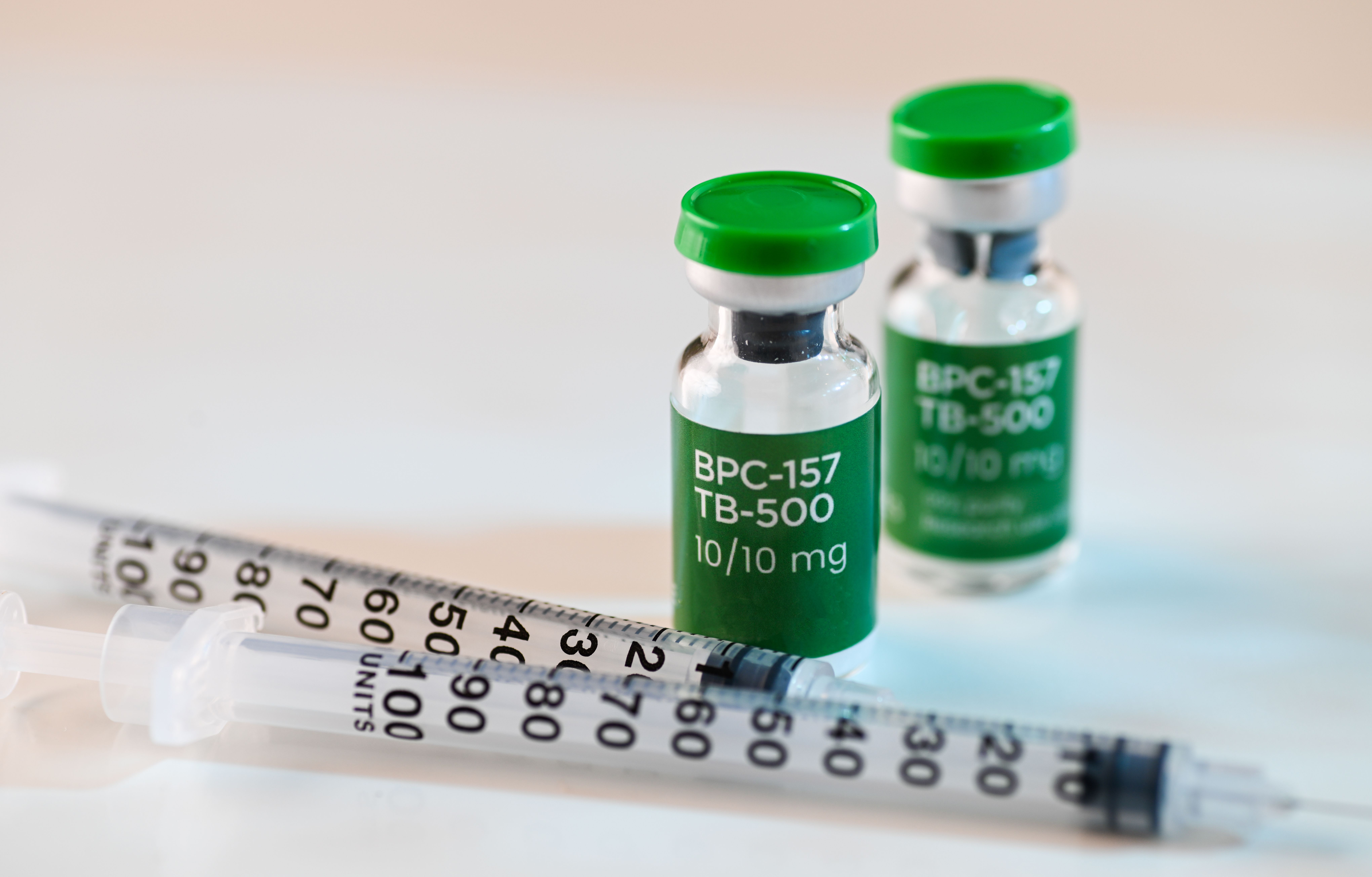
Techniques used include: ESI-MS (electrospray ionization) MALDI-TOF (laser ionization) Storage and laboratory handling Storage Conditions Correct storage is crucial to maintaining the integrity and activity of the peptide: Freeze-dried form (unopened): Temperature: -20C (optimal) or 2-8C (short-term allowable) Protect from light and moisture Store in the original packaging Shelf life: 24 months from the production date at -20C After reconstitution: Store at 2-8C Use within 7-14 days For longer storage: freeze at -20C in small portions (aliquots) Avoid repeated freezing and thawing Reconstitution Instructions Before opening, leave the vial at room temperature for 15-30 minutes Use sterile bacteriostatic water or appropriate buffer (e.g
Antimicrobial activity: Early studies have also noted activity against pathogens including Staphylococcus aureus and Candida albicans, an area that continues to attract research interest
The other injuries were initiated at periphery (i.e., nerve transection [79], abdominal aorta occlusion [82], tumor cachexia [11], or application of neurotoxin [69,80], distinctive muscle relaxants [81], neuroleptics [68,70], L-arginine [86], L-NAME [70,86], alcohol acute and chronic intoxication [63,64], and electrolytes disturbances [54,83,84,85])